

The Sadhu Board –
is a simple device for spiritual practice, which is a board with nails hammered in.
The practice involves standing on the sharp end of a nail and is a voluntary withdrawal from
a comfortable state into a stressful state to consciously overcome pain and fear.

Why are the sadhu boards so called?
The history of the origin of the name of this method originates in ancient India, where there was a whole layer of people called Sadhus (the word "Sadhu" itself translates as "virtuous"). They led an ascetic lifestyle, devoting their entire lives to the comprehension of the highest stage of development of the spirit.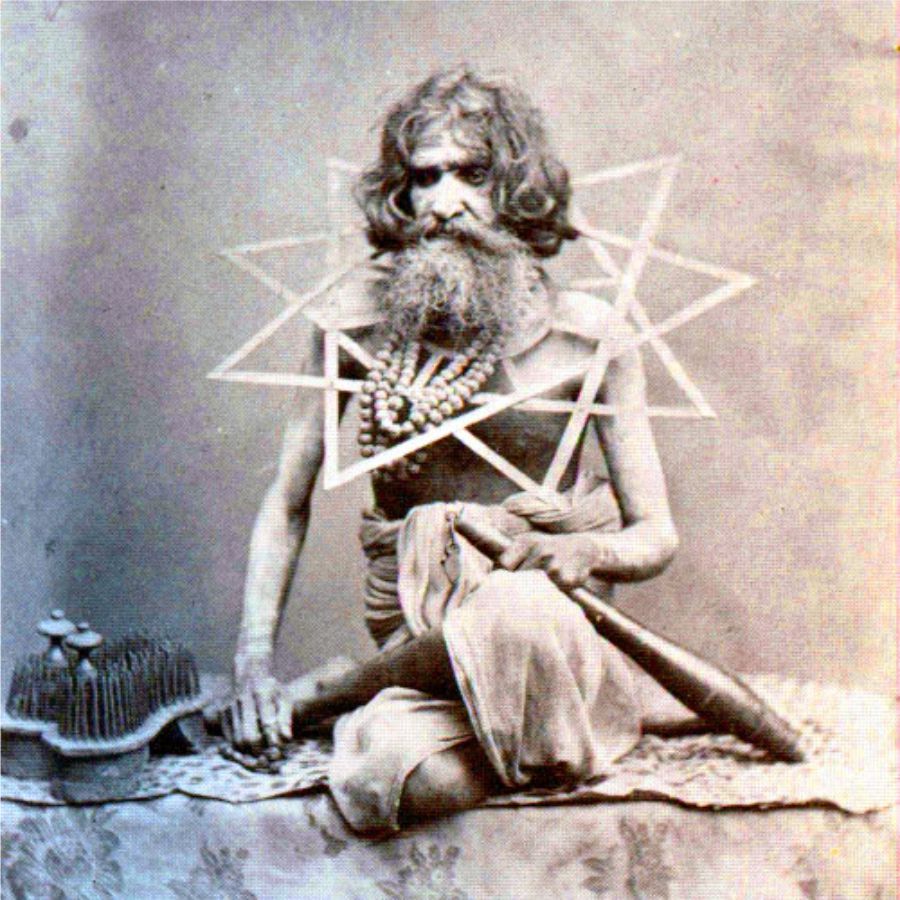 It among ancient yogis, fakirs and sages that the practice of meditation arose while strengthening the body by subjecting it to difficult tests.
The asceticism itself varied, for example, someone might choose to stand on one leg for 40 years as a sadhana, while another sadhu might vow not to cut his nails or to remain silent for the rest of his life.
In this way, sadhus directed their whole will to one specific intention and dedicated it to the happiness of all living beings.
Today we do something similar, but in a much more condensed form, when we stand on a board with nails. Standing on the board for at least a few minutes requires a strong and pure intention. We can dedicate this intention to the fulfillment of some desire and then a huge release of energy will direct our mental processes towards its realization, sweeping away all the blocks, doubts and laziness on its way.
Why stand on nails?
Before you try to stand up on a board, you need to become more familiar with this tool and understand how such practice can benefit you:
- Fighting your own fears, which will allow you to learn how to work with pain sensations, and not only to accept pain, but also to let go.
- Normalizes the general condition of internal organs and the body as a whole.
- Increases blood circulation, improving the nutrition of all systems of the body.
- Quickly relieves fatigue and psycho-emotional agitation.
- Changing health not only mental, but also physical, which is primarily due to the presence of almost 70 thousand nerve endings on the human foot. Yes, it can not be called a relaxing massage, but thanks to it you will get to improve blood flow, and, therefore, to work through many internal organs.
- Leads to rapid recovery from stressful conditions.
- Is a tool for self-knowledge, spiritual practice.
- Allows you to achieve concentration, get rid of heaviness in the head and always be in a good mood.
It is believed that the internal organs can be healed through exposure, particularly on certain parts of the foot. For example, it is believed that this can improve the thyroid gland, stomach, kidneys, spine, heart, lungs and so on. According to this approach, to stand on nails means to affect all active points at once, i.e. to improve the health of the body as a whole.

However, it is important to understand your limits and to perform the practice safely. It is important to consult a specialist before practicing.
Contraindications
- Severe chronic diseases;
- Cardiovascular disease - hypertension, aneurysms, suffered heart attacks, strokes;

- Epilepsy;
- Glaucoma;
- Recent surgeries and fractures;
- Acute infectious diseases;
- High fever. Standing on nails releases energy and warms up the body, which can increase body temperature even more
- Mental disorders - clinical depression, generalized anxiety disorder, schizophrenia, neurosis, etc..;
- Pregnancy - due to the massage of points on the feet increases blood flow. In order to exclude uterine tonus, it is not necessary to stand on nails during this period
- Breastfeeding
- Menstruation
- Diabetes mellitus (diabetic foot)
- Oncologic diseases. Sadhu board points on the surface of the feet or back and has the effect of lymphatic drainage - a type of massage technique. However, any massage is contraindicated in cancer diseases
- Open wounds on the feet
- Strokes and heart attacks less than 6 months prior to practice
- Alcohol and drug intoxication
Standing on nails is a safe practice, provided the correct technique is followed, a competent instructor is chosen and a good Sadhu board is used. It is also important not to make sudden movements during practice, give the body time to get used to new sensations, and prepare before practice with the help of self-massage, joint and breathing exercises, meditation.
So what's the usefulness?
Standing on nails, you can "live" the emotions stuck in your body - cry, laugh, vent your anger. With the help of certain breathing techniques, one can learn to redirect attention, to pass through painful sensations. Such provocation of pain through the feet teaches to interact with negative feelings, not to be frightened by them. During practice, one can familiarize oneself with pain and realize that there is nothing scary about it.
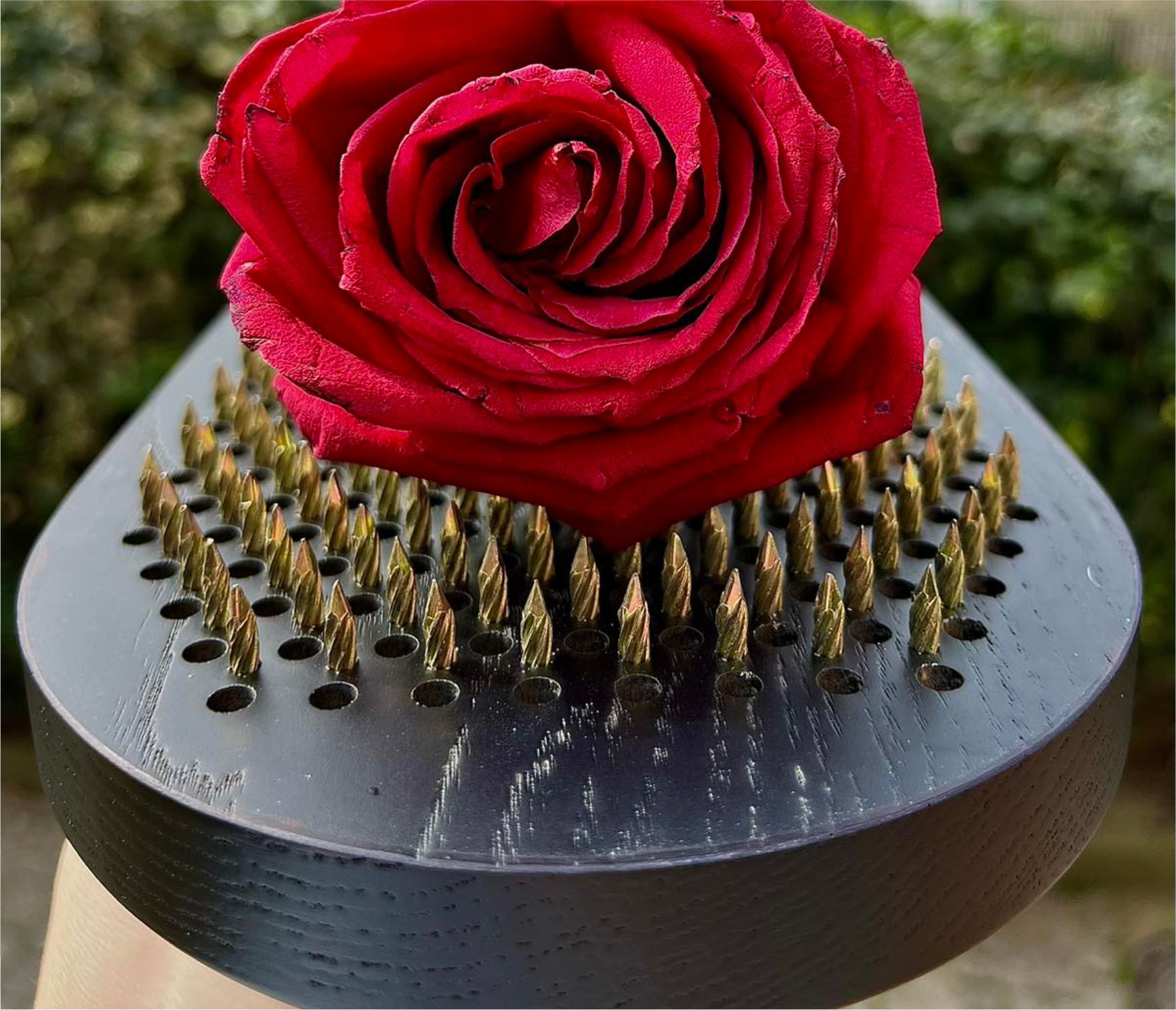 Due to the fact that nails activate internal processes in the body, additional energy is released. After practicing, a person gets access to his additional resources. After all, in everyday life, a maximum of 60 percent is used.
Standing on the nails will give you a rush of endorphins. During, blood flow increases, delivering more oxygen and nutrients to your tissues, and your cardiovascular system improves.
Additional energy is released, which you can use to realize your plans.
Regular will help you adjust your sleep and wakefulness patterns, which will also give you the exercise you need.
Effects on the physiology of the body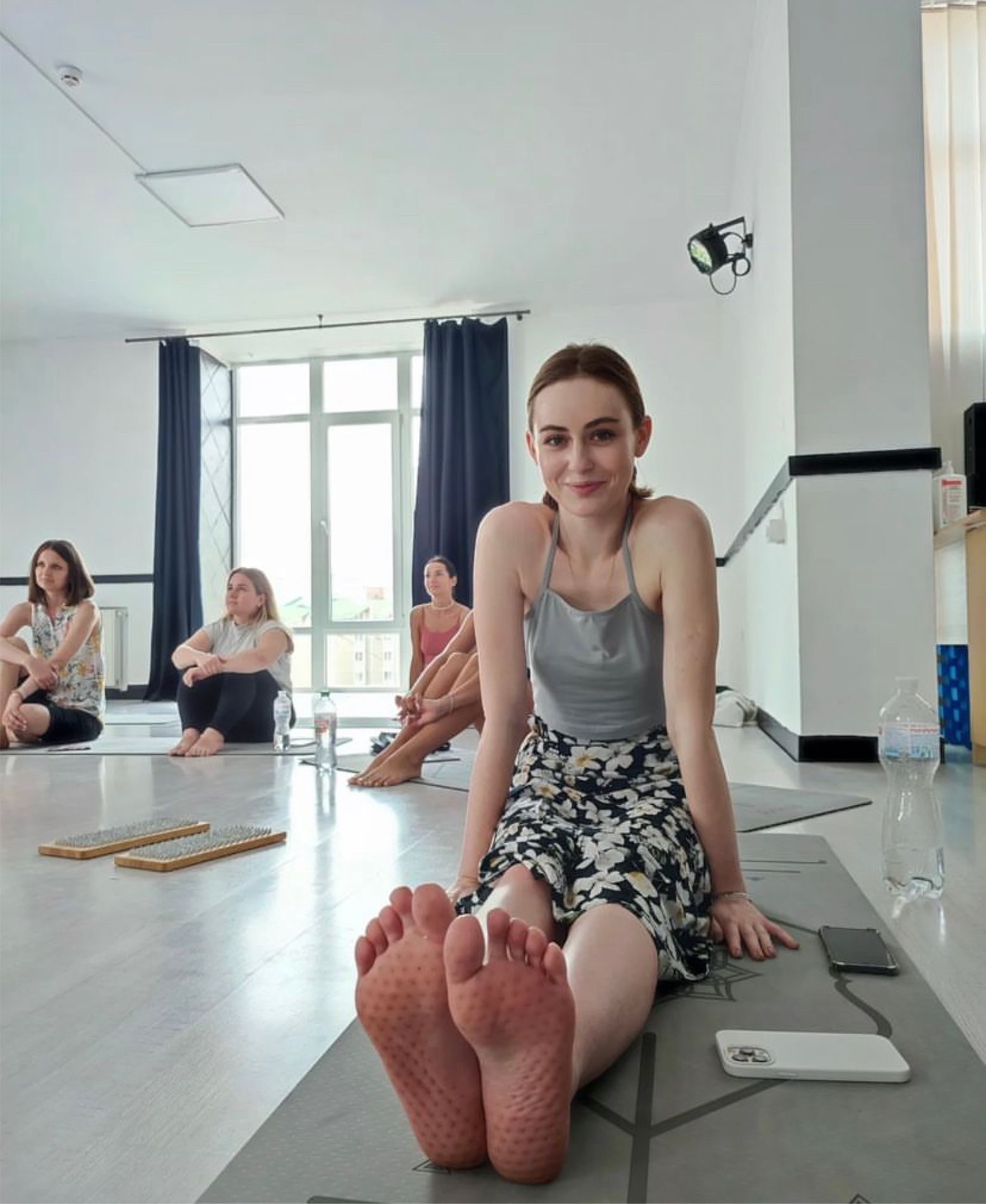
Recovery of the body through the activation of acupuncture points.
Normalization of blood pressure (BP).
Relaxation of muscles and removal of clamps.
Improving blood circulation.
Stimulation of the body's internal energy.
Increased vigor and a burst of energy.
Cleansing and restoration of the body.
Short-term disconnection from worry and anxiety.
Increased productivity and concentration.
Positive effect on the psycho-emotional state.
Influence on psychological state
Stress relief.
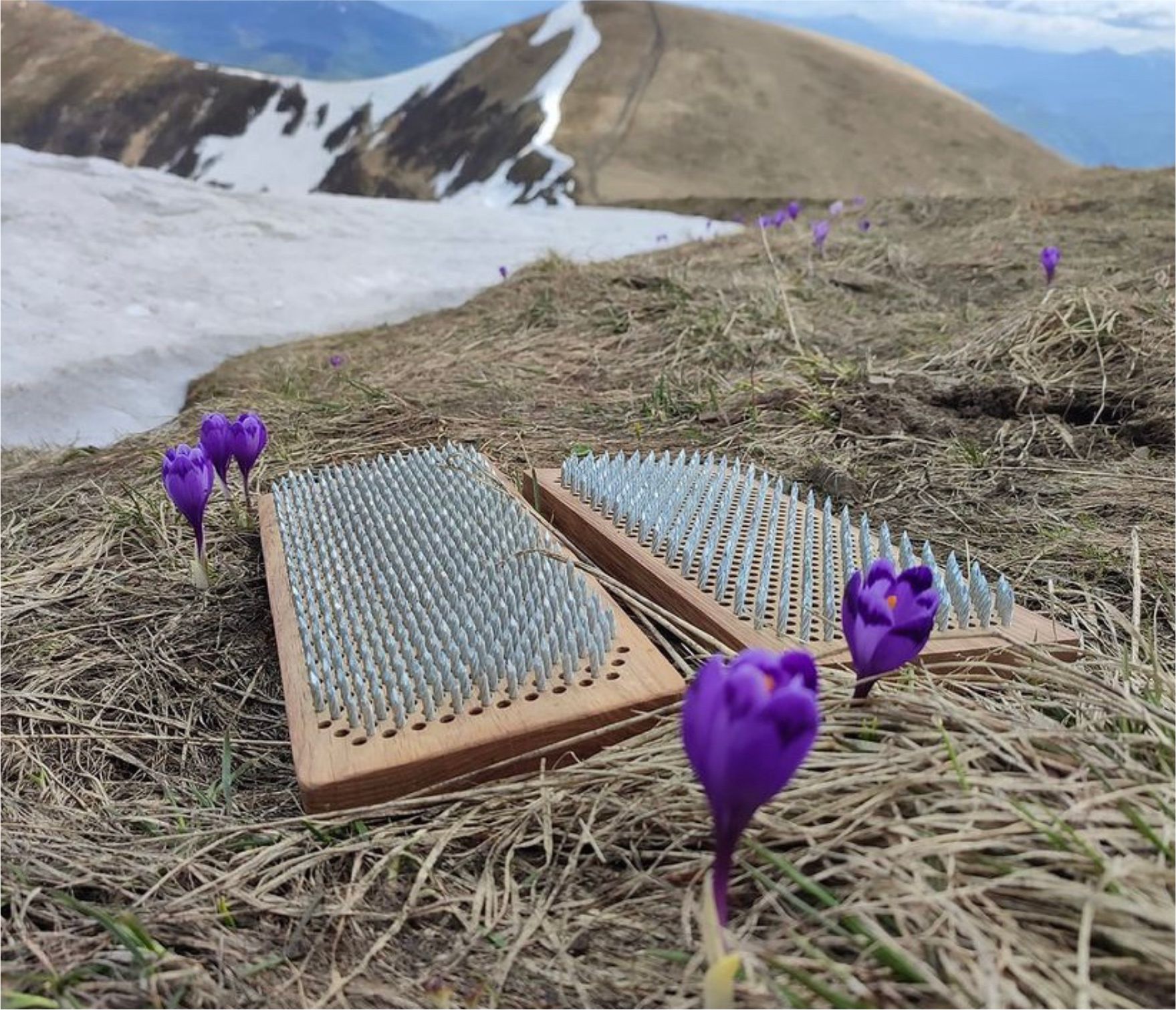
Improving mood.
Reducing anxiety.
Fighting fear.
Overcoming negative emotions.
Increasing the level of concentration.
Developing awareness.
Self-confidence.
Revealing internal resources.
Entering a meditative state.
Spiritual practice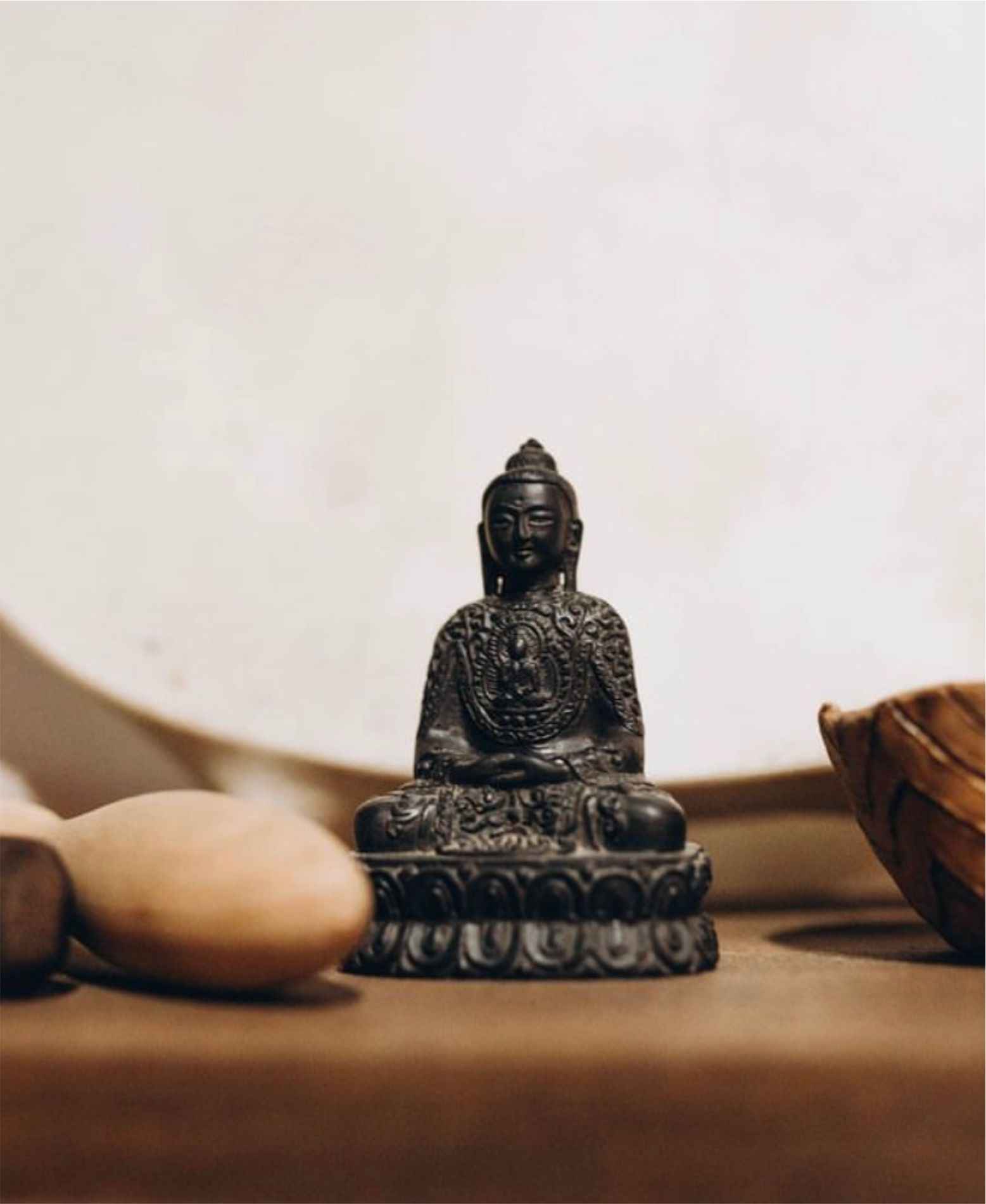
Awareness of your own body.
A deep dive into the subconscious mind.
Understanding yourself and your needs.
Acceptance of strengths and weaknesses.
Finding harmony and balance in life.
Developing awareness and presence.
Deepening the spiritual connection to one's self.
Uncovering inner potential.
Developing willpower and patience.
Increasing self-awareness and self-development.